Event Summary
This event will be held in person only.
Data centers are the essential engines powering the AI revolution and driving massive societal advancements, but they also present undeniable challenges to our local energy grids, water supplies, and communities. The Austin Forum’s presentation on July 7 covered the technologies, costs, resource demands, and impacts of data centers–and the number of questions for the panel was far more than could be addressed. The event also generated lots more discussion on LinkedIn by participants and by professionals from Austin and beyond. The topic clearly deserves much more discussion, so please join us on August 19 for a followup event to share more, ask more, learn more, and ideate more.
Most importantly, this event will shift the spotlight from the panel to the public. We are hosting an extended, moderated town hall designed for community members, tech leaders, policymakers, and environmental advocates to come together to share and learn more. Whether you want to voice a personal or societal concern, share a real-world AI success story, ask a pressing question, or propose a concrete solution, this is your platform. We will confront the tough realities while celebrating the positive impacts AI is already delivering—all in a structured, productive format.
What We Want to Hear From You
Success Stories & Positive Impacts: Share how AI tools—enabled by data centers—are already improving your business, healthcare, education, or daily life.
Real Concerns: Voice your personal, local, or global anxieties regarding grid reliability, water usage, land development, or societal shifts.
Burning Questions: Get direct answers from peers and experts on the numbers, timelines, and technologies shaping our infrastructure.
Constructive Suggestions: Offer ideas on how Austin and the broader tech ecosystem can better balance the demand for computing power with responsible stewardship of our resources.
Join us to explore how AI data centers shape our future—from careers and corporate policy to voting and sustainability. Bring your insights, concerns, and ideas to this essential conversation. You’ll leave with a clearer understanding of the current landscape, actionable resources, and new strategies to share within your community and organization.
Continued Conversation & Networking
The discussion doesn’t end when the panel wraps up. Join us immediately following the presentation for post-event networking and continued conversation at Remedy, located at 3rd & Nueces, for ongoing discussion and networking. Connect with fellow attendees, swap insights from the event, and enjoy a complimentary drink on us, thanks to our amazing Austin Forum Annual Partners, Champions, and Friends.
Co-hosted by
Austin AI Alliance
Moderator
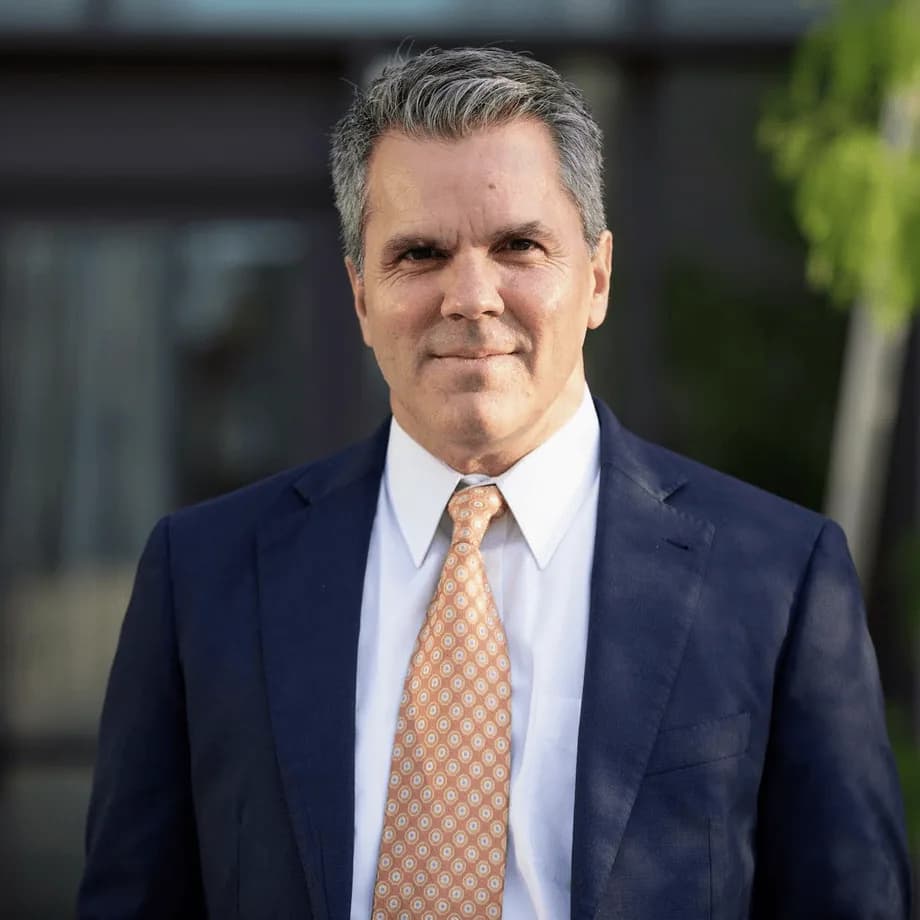
Mark Strama, Director of the Annette Strauss Institute for Civic Life, University of Texas at Austin
Mark Strama is Director of the Annette Strauss Institute for Civic Life at the University of Texas at Austin, and a Professor of Practice in UT’s Moody College of Communication and in the Plan II program. He is also a member of the Texas Ethics Commission.
Prior to joining the UT faculty in 2023, Mark spent ten years at Google Fiber (now known as GFiber) working to upgrade the speed and quality of internet service in the United States. Before working at Google, he served five terms in the Texas House of Representatives, where he focused on renewable energy, public education, and electoral reform. Mark received Honorable Mentions on Texas Monthly's Ten Best Legislators list in three of his five sessions in the House; Texas Monthly said "Strama cares as much about others' success as his own."
Prior to running for public office, Mark founded the first company to enable Americans to fill out a voter registration form on the Internet - 700,000 people used this technology to register to vote in the 2000 election cycle. During the 1996 election cycle, Mark was Director of Programs at Rock the Vote, a non-partisan organization that works with MTV and the music industry to engage young people in the political process. He previously worked for former Texas Governor Ann Richards and Texas State Senator Rodney Ellis.
Mark graduated from Brown University with degrees in philosophy and political science. He is married to Crystal Cotti, a former Austin City Hall reporter. They have three industrious daughters and one very lazy dog.
Panelists
Annie Hardy, Chief AI Architect and Futurist, Split Futures
As the Chief AI Architect and Futurist at Split Futures, Annie Hardy works directly with customers and through partners to rearchitect the cognitive workforce, guiding organizations and workers to a human-centered future where artificial intelligence adoption leads to positive human outcomes. Ms. Hardy is a patent-holding inventor on the topics of artificial intelligence, machine learning, and computer vision, with prior work at Cisco Systems as a Global AI Architect and Futurist among their global AI Infrastructure Partners. Ms. Hardy is a startup advisor, member of the Association of Professional Futurists, and a seasoned thought leader on the topics of artificial intelligence, spatial computing, emerging technologies, enterprise innovation, the future of work, the future of the internet, workplace culture, and AI adoption. Ms. Hardy holds a degree in Communications and Spanish with a focus on Gender Studies from Austin College, and is certified by the Association of Professional Futurists.
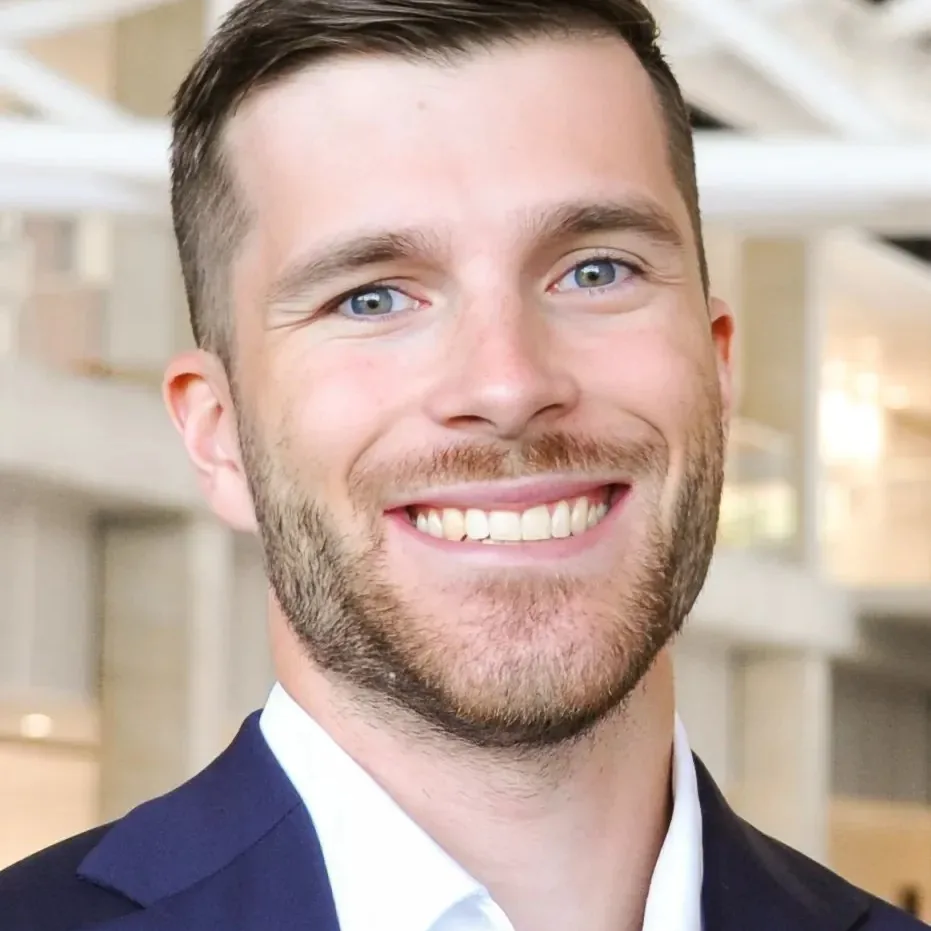
Dr. Drew A. Kassel, Research Associate, University of Texas Webber Energy Group
Drew grew up in Wisconsin, obtaining his Bachelor's degree in Mechanical Engineering from the University of Wisconsin-Madison. Here he developed a special interest in energy and also obtained a certificate in Engineering Thermal Energy Systems. Immediately following his graduation in May of 2021, Drew moved to Texas to pursue a PhD at the University of Texas at Austin.
Drew obtained his PhD in November of 2025 with research interests in big picture energy systems and improving reliability of the power grid. He researched grid development scenarios and studied what efforts are needed to prepare for increasingly probable extreme weather events. The methods involved in this research are robust capacity expansion models of the Electric Reliability Council of Texas (ERCOT) and power grid infrastructure, which can be modified to explore specific case studies. These case studies are typically plans that involve grid interconnections, distributed energy resources, and storage options at utility and distributed scales.
Drew moved to a Postdoctoral Fellow position within the Webber Energy Group at the start of January 2026 and is actively pursuing his research interests in demand growth, transmission expansion, demand flexibility, and powering the AI era.
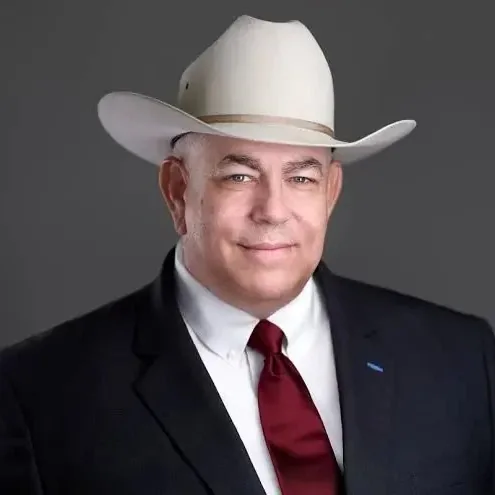
Stan Kitzman, State Representative, Texas House District 85
State Representative Stan Kitzman represents Texas House District 85, a critical rural and suburban corridor encompassing Austin, Colorado, Fayette, Waller, Wharton, and parts of Fort Bend counties. Hailing from Pattison in Waller County and rooted as a sixth-generation Texan descended from Stephen F. Austin’s “Old Three Hundred,” Representative Kitzman represents a vast geography defined by major resource arteries, including the Brazos, San Bernard, and Colorado river basins. As commercial development and digital infrastructure expand across the state, his district sits at the direct intersection of regional growth, critical natural resources, and agricultural heritage.
In the Texas Legislature, Representative Kitzman has emerged as a central leader on resource policy, power reliability, and resource management. He serves on the House Agriculture and Livestock Committee, the House Appropriations Committee (where he chairs the Article III subcommittee), and the Texas Sunset Advisory Commission. Demonstrating his focus on utility and conservation planning, he was chosen by his colleagues to chair the bi-cameral Water Caucus, serves as a Texas representative to the Energy Council, and sits on the board of the Texas Water Conservation Association. Throughout his legislative tenure, he has been a vocal advocate for the long-term future of Texas water security, energy grid resilience, and the protection of production agriculture.
Amy Polvado, Founder and CEO, Facilimax
Amy Polvado is the Founder and CEO of Facilimax, an Austin-based company building AI-powered digital twin software on NVIDIA Omniverse for universities, hospitals, and data centers. She also leads Harmon Labs, a vocational school preparing workers for careers in power plant operations, data center technology, and nuclear energy, and serves as CEO of Red River Infrastructure, developing large-scale data center sites across Texas.
Amy is a doctoral student at Purdue Polytechnic Institute, where her research focuses on deploying digital twins to edge wearable devices for frontline workforce training. She is also Chairwoman of the US Proptech Council, host of the Data Center News Show, and author of From Data to Deals. Her career spans semiconductor manufacturing at Applied Materials and IBM, building a real estate private equity firm to over $1 billion in assets under management, and technology commercialization at UT Austin.
Attendance Instructions
In-person
ACC Rio Grande: Building 3000
The Center for Government & Civic Service
1218 West Avenue Austin, TX, 78701
Parking map here! Street parking is free after 6 pm.